
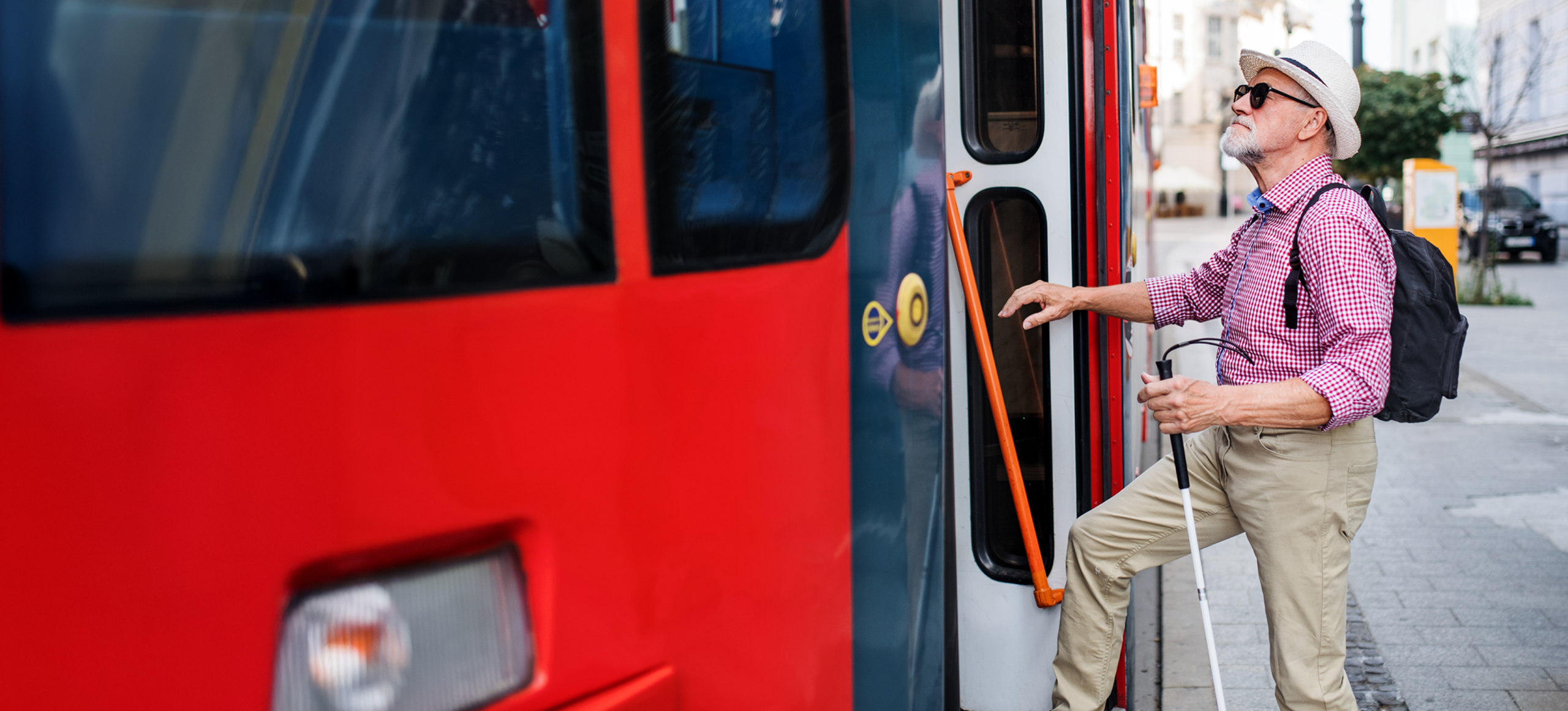
RNIB (Royal National Institute of Blind People) and the Motability Foundation are working in partnership on an innovative project to reimagine a better future for blind and partially sighted people getting around in the UK.
Why accessible journeys matter
Being able to get around is essential for everyday life, including work and leisure. Even short journeys can be stressful or difficult for blind and partially sighted people. Many don’t feel safe, and there is rarely enough support to help them travel confidently. We want to change that, which is why we're reimagining the transport system to show how it could work for everyone.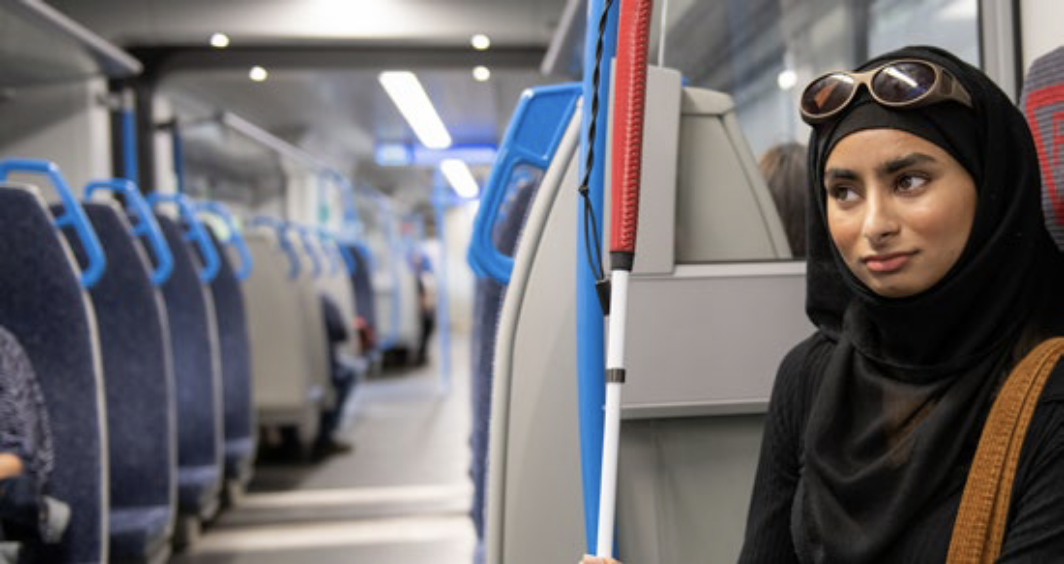


One in five of us will experience sight loss
Disabled people take 25% fewer journeys than non‑disabled people

The annual economic benefit of improving transport accessibility in the UK is:
£72.4 billion
Our approach
- Listening to real stories from blind and partially sighted people.
- Running immersive workshops between people with sight loss, industry experts and government partners to spark new thinking.
- Creating short inspirational films to spark change in transport design, policy and awareness.
What is an end-to-end journey?
First stages

Planning the journey
- Researching routes
- Checking schedules
- Assessing the weather
First Metres
- Leaving the house
- Starting the journey
- Checking progress
Recurring stages
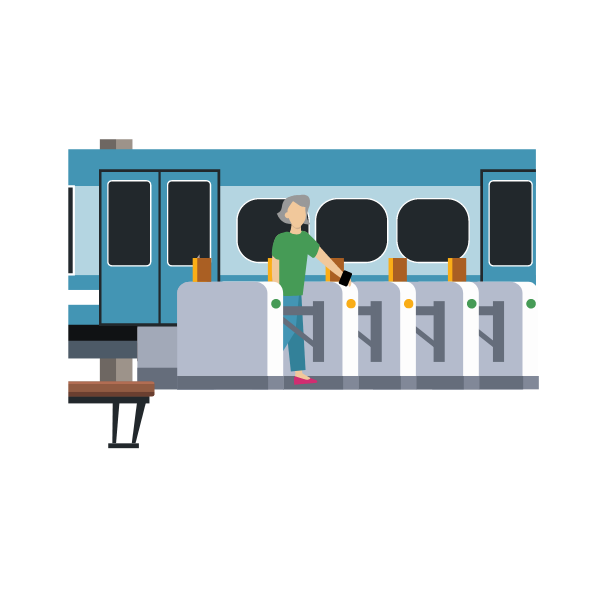
Multimodal experiences
- Public transport
- Walking and wheeling
- Community and shared transport
Transition zones
- Moving between physical environments
- Everyday moments and spontaneous detours
Final stages
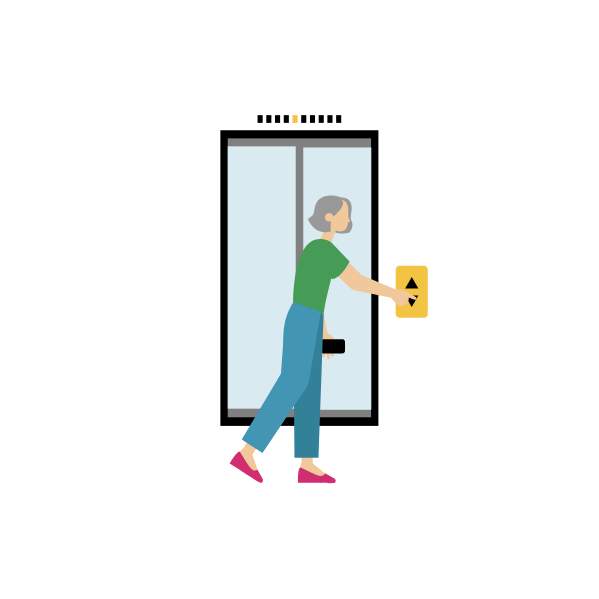
Last metres
- Arriving at the destination
- Navigating within the destination to find a seat, room or person
Latest updates

Creating future stories
February 27, 2026
For the third Future Journeys workshop, RNIB and the Motability Foundation, along with our stakeholders and lived experience community, came together to develop the ideas created in workshop 2 and start to shape a story of what future travel could look like.
Led by award-winning director and writer Chris Holt, the participants used storytelling techniques to imagine how we could create a future with fully accessible travel. We explored a variety of ideas, such as emerging technology, cultivating a supportive travelling environment, and designing with accessible needs in mind.
We don’t want to share too many spoilers before the short drama film premieres in April 2026, but we can say that the themes of stories that emerged included how people can overcome travel disruptions, how people can make spontaneous, unfamiliar journeys stress free, and how a visitor to a future town or city might experience inclusive travel for the first time.
View more

Reimagining the transport system
Partnership
RNIB and the Motability Foundation have formed a unique partnership with one united purpose: to co-create innovative solutions that will make journeys more accessible for blind and partially sighted people.
This collaboration combines our expertise, lived experience, and resources to better understand how we can break down the barriers to transportation and drive change.
Building on previous research, we created Future Journeys to support our shared goal of improving transport, ensuring accessibility is key to the development of future transport modes.
The lived experience of people with sight loss is key to this partnership, with individuals actively collaborating to identify barriers and co-design solutions.

More information

